The History of the NATO Phonetic Alphabet and Its Evolution
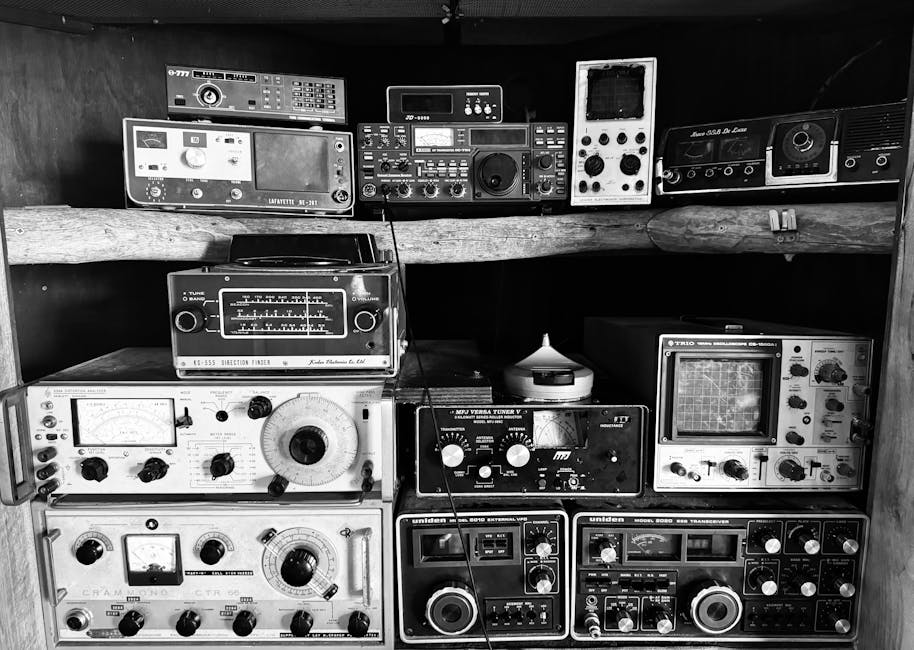
The NATO phonetic alphabet has a fascinating history rooted in the practical needs of wartime communication. During World War II, military forces faced a critical problem: radio communications were often unclear, and confusion could cost lives. Traditional letter names—such as "B" for Baker and "C" for Charlie—existed, but they needed standardisation across all Allied forces.
The International Civil Aviation Organization (ICAO) developed the first standardised phonetic alphabet in 1955, building on earlier military systems. This version was officially adopted by NATO and became the International Radiotelephony Spelling Alphabet. The system was revolutionary because it ensured that military, aviation, and maritime forces worldwide could communicate without confusion.
Each word was selected with specific criteria in mind. They had to be:
- Phonetically distinct from other words in the alphabet
- Easily pronounced by speakers of different languages
- Recognisable even in poor audio conditions
- Relatively short and simple
- Appropriate for professional use
The alphabet has remained largely stable since 1956, with only minor adjustments. This consistency is remarkable—most communication systems evolve significantly over decades, but the phonetic alphabet's effectiveness meant change was unnecessary.
Some interesting historical facts: the original military versions had different words for several letters. For example, "Easy" was used instead of "Echo," and "Item" instead of "India." These changes were made to improve clarity and international recognition.
The phonetic alphabet quickly spread beyond military use. Aviation industry adoption was particularly rapid, as pilots immediately recognised its value for safety-critical communications. From there, it expanded to maritime, emergency services, police, and eventually healthcare and telecommunications.
Today, the NATO phonetic alphabet is used worldwide by organisations that have nothing to do with military operations. It's taught in schools, used in customer service training, and employed in countless professional environments. This widespread adoption demonstrates the system's universal effectiveness.
Understanding this history helps us appreciate why the system remains unchanged and why learning it remains valuable. It's a communication tool that has literally saved countless lives and prevented immeasurable errors across every sector of modern society.